
Game Review: Like a Dragon: Infinite Wealth – A Monumental Journey of Ichiban and Kiryu in Honolulu

Ever since the Like a Dragon series dared to radically change its formula in its eighth mainline installment, the gaming world has witnessed something rare – a total reinvention of a beloved franchise. Yakuza: Like a Dragon abandoned the classic beat ’em up gameplay, in which Kiryu fought with his fists, in favor of a turn-based RPG with a completely new protagonist – Ichiban Kasuga. This bold move by RGG Studio turned out to be a resounding success, breathing new life into the series and winning the hearts of players worldwide.
Story – The Return of a Legend and a New Chapter
Like a Dragon: Infinite Wealth continues Ichiban’s story while seamlessly weaving in the entire series’ history, including the return of Kazuma Kiryu, the franchise’s original hero. Initially, I was skeptical about this dual-protagonist setup, fearing the narrative could feel overcrowded. I was completely wrong – Kiryu’s presence is not only justified but adds tremendous depth and weight to the story. Infinite Wealth acts as a continuation of both Like a Dragon and Yakuza 6: The Song of Life, as well as Like a Dragon Gaiden: The Man Who Erased His Name, bridging the old and new eras of the series.
The game opens in Japan, continuing the aftermath of the Tojo and Omi clan dissolutions and the struggles of former yakuza members reintegrating into society. Ichiban becomes a mentor figure, helping these ex-members find their place. Eventually, the story takes us to Hawaii, specifically Honolulu – the first setting in the series outside Japan. RGG Studio has crafted a vibrant, dense, and beautifully detailed city full of activities and interactive locations.
In Honolulu, Ichiban quickly gets into trouble, with Kiryu arriving to bail him out. What begins as a personal journey to find a lost family member escalates into a complex, multi-layered narrative filled with dramatic twists, humor, and thoughtful reflections on change and aging. While Infinite Wealth can be enjoyed as a standalone story, long-time fans of the series will find extra layers of meaning and reward in recognizing returning characters and story threads.
Not everything is perfect – some sequences can feel repetitive, and the pacing sometimes suffers due to the abundance of side activities. However, the main story more than makes up for these flaws with its scale, emotional impact, and deep characterization.
Gameplay and Systems – Turn-Based RPG Refined
The transition to turn-based RPG in the previous entry was somewhat rough, but Infinite Wealth makes huge improvements. Players can now move characters on the battlefield, interact with environmental objects, perform combo attacks with allies, and take advantage of proximity bonuses. All basic attacks generate MP, and the new skill inheritance system allows transferring abilities between jobs, giving players incredible freedom to customize their party.
Kiryu, while integrated into the turn-based system, retains his brawler identity from past games, with three fighting stances: Brawler, Rush, and Beast. Each stance affects mobility and combat efficiency, cleverly translating his character traits into a turn-based format.
The job system has been expanded with new classes and more balanced stat growth. Weapon crafting is intuitive and strategically meaningful, particularly when combined with class abilities. Poundmates return with enhancements, visual indicators for AoE and knockbacks improve combat clarity, and tag-team mechanics allow dynamic teamwork. Overall, the combat is more strategic, responsive, and rewarding than in previous entries.
Side Activities – From Madness to Relaxation
Infinite Wealth excels at side content. Returning mini-games include:
Crazy Delivery – a parody of Crazy Taxi, delivering pizzas and burgers against the clock.Photo Rally and Sicko Snap – snapping pictures of landmarks or documenting Honolulu’s eccentric characters.
Miss Match – a fully fleshed-out dating app with interactive text-based conversations.
Sujimon League – a full Pokémon-like experience with training, 3v3 battles, raids, and gyms.
Dondoko Island – a mix of survival, crafting, and resort-building, with a day-night cycle, NPC pathing, and guest interactions.
Drink Links and new Aloha Links return, letting players learn more about characters in meaningful ways. While the early stages of Dondoko Island involve tedious manual gathering, later hours reward strategic planning and satisfaction in building a thriving island. The mode also briefly lets Kiryu fight in real-time, though this feature is simple and limited.
Visuals and Audio
Honolulu is beautifully realized, dense with interactive elements. While technical compromises occur in crowded areas, the overall visual quality remains high.
The audio design is equally impressive. Japanese voice acting remains the standard, while select English lines are used for certain characters and enemies in Hawaii, enhancing immersion.
Weaknesses
There are a few drawbacks:
Slow opening and extended RPG tutorials may discourage new players.New Game Plus and some additional modes are locked behind DLC.
Early Dondoko Island gameplay requires significant grinding.
Uneven character progression and minor AoE combat issues.
However, these flaws are minor compared to the game’s overall depth and quality.
Conclusion
Like a Dragon: Infinite Wealth is a masterpiece from RGG Studio. It evolves turn-based combat, masterfully integrates the series’ history, and presents a dual-protagonist story that adds emotional weight. Honolulu is a lively, detailed setting, and the sheer variety of side content makes every hour spent in the game rewarding. Combat is more strategic, and the customization options are extensive. While the game demands a significant time investment, it rewards patience with rich storytelling and gameplay depth.
Rating: 9/10
Pros:
+Fantastic dual-protagonist dynamic: Ichiban and Kiryu.+Deep, refined turn-based combat system.
+Large, detailed, and vibrant Honolulu setting.
+Extensive side content: Sujimon, Dondoko Island, mini-games, dating.
+Strong continuity and character development.
+Excellent audio design, especially Japanese voice acting.
Cons:
-Slow start with long tutorials.-NG+ and some modes locked behind DLC.
-Early Dondoko Island grind.
-Uneven progression and minor combat AoE issues.
My Gameplay:


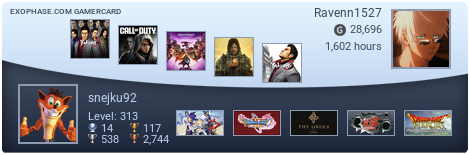


No comments